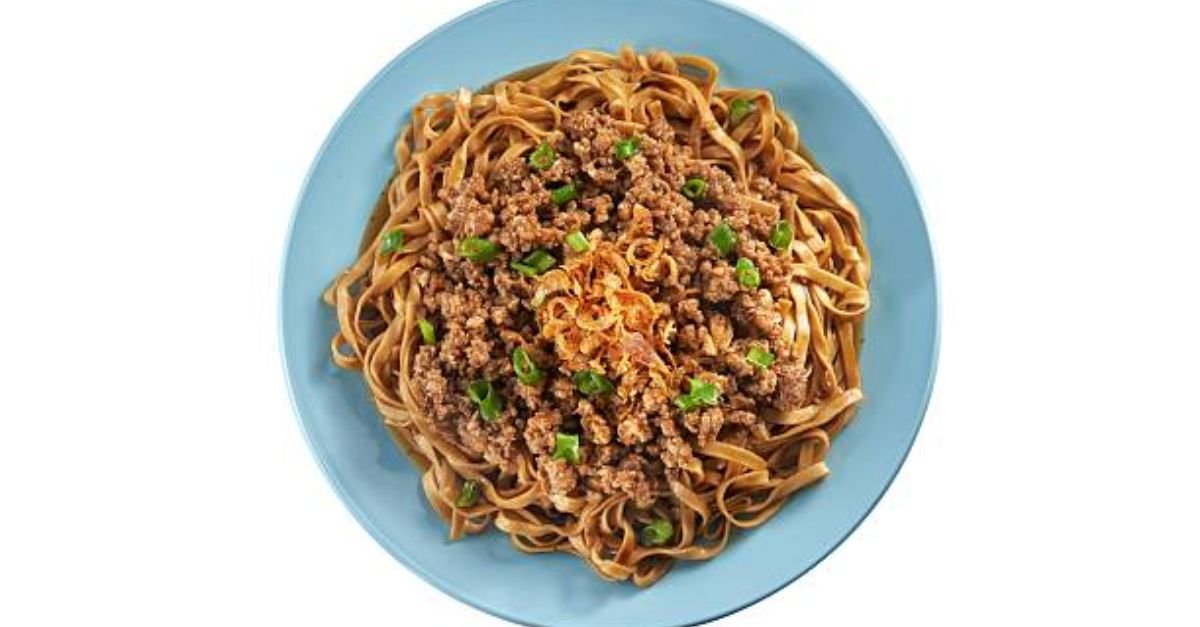
Prep time: 5 minutes
Cook time: 12–15 minutes
Total time: 17–20 minutes
Intensity Levels (1–5 scale)
| Attribute | Rating | Notes |
|---|---|---|
| Spice Heat | 2/5 | Gentle warmth from red pepper flakes; omit for zero heat. |
| Flavor Intensity | 4/5 | Bold, salty-sweet, deeply savory (umami). |
| Effort Level | 1/5 | Very easy – one pan + one pot. |
| Cleanup Intensity | 2/5 | Minimal – just a skillet and a noodle pot. |
| Skill Level | Beginner | No special techniques required. |
Nutrition (per serving, approx.)
*Based on 4 servings using lean ground beef (90/10) and whole wheat noodles.*
| Nutrient | Amount |
|---|---|
| Calories | 520 kcal |
| Protein | 32g |
| Carbohydrates | 55g |
| Fiber | 4g |
| Sugars | 12g |
| Total Fat | 20g |
| Saturated Fat | 7g |
| Cholesterol | 85mg |
| Sodium | 890mg |
| Potassium | 480mg |
| Iron | 4mg |
Note: Nutrition may vary based on noodle type, beef fat content, and low-sodium soy sauce use.
Ingredients
For the Noodles & Beef
-
8 oz (225g) lo mein noodles, udon, or spaghetti
-
1 tbsp vegetable or avocado oil
-
1 lb (450g) lean ground beef (85/15 or 90/10)
-
4 cloves garlic, minced
-
1 tsp fresh ginger, grated (or ½ tsp ground ginger)
-
½ tsp red pepper flakes (optional, for heat)
-
3 green onions, sliced (whites + greens separated)
For the Mongolian Sauce
-
½ cup low-sodium soy sauce (or tamari/coconut aminos)
-
½ cup beef broth (or water)
-
¼ cup brown sugar, packed (light or dark)
-
1 tbsp hoisin sauce (adds depth, optional but recommended)
-
1 tsp sesame oil
-
1 tbsp cornstarch mixed with 2 tbsp cold water (slurry)
For Garnish
-
Sesame seeds (black or white)
-
Extra sliced green onions
Instructions
1. Cook the Noodles
Bring a large pot of salted water to a boil. Cook noodles according to package directions until al dente (about 1 minute less than the recommended time — they’ll finish in the sauce). Drain, rinse briefly with cold water to stop cooking, toss with a tiny drizzle of oil to prevent sticking, and set aside.
2. Make the Mongolian Sauce
In a small bowl or measuring cup, whisk together: soy sauce, beef broth, brown sugar, hoisin sauce (if using), and sesame oil. Stir until sugar mostly dissolves. In a separate tiny bowl, mix cornstarch with cold water to make a slurry. Set both aside.
3. Brown the Ground Beef
Heat a large skillet or wok over medium-high heat. Add oil. Once shimmering, add ground beef. Break it up with a spatula and cook undisturbed for 2 minutes to get a nice sear, then stir and continue cooking until fully browned (5–7 minutes). Drain excess fat if necessary, leaving about 1 tsp in the pan for flavor.
4. Aromatics & Heat
Reduce heat to medium. Add minced garlic, grated ginger, red pepper flakes (if using), and the white parts of the green onions. Stir constantly for 30–45 seconds until fragrant — do not burn the garlic.
5. Combine Sauce & Thicken
Pour the prepared sauce mixture into the skillet. Stir well, scraping up any browned bits from the bottom of the pan. Bring to a simmer. Give the cornstarch slurry a quick stir, then drizzle it into the simmering sauce while stirring constantly. Cook for 1–2 minutes until the sauce thickens to a glossy, syrup-like consistency.
6. Add Noodles & Toss
Add the cooked noodles to the skillet. Use tongs or two large spoons to toss everything together until every noodle is coated in the sauce. Cook for 1 more minute, letting the noodles absorb some flavor.
7. Garnish & Serve
Remove from heat. Sprinkle with the green parts of the sliced green onions and a generous pinch of sesame seeds. Serve immediately.
Pro Tips for Perfect Results
-
Don’t overcook the noodles – Slightly undercooking them ensures they stay bouncy and don’t turn mushy when tossed in the hot sauce.
-
Use fresh garlic and ginger – The intensity of jarred versions is muted. Fresh makes a real difference here.
-
Adjust sweetness – Like it less sweet? Cut brown sugar to 3 tbsp. Want a caramelized kick? Use dark brown sugar.
-
Spice control – For zero heat, skip red pepper flakes. For medium heat, use 1 tsp. For “Mongolian fire,” add ½ tsp crushed red pepper + 1 tsp chili garlic sauce (like sambal oelek).
-
Make it gluten-free – Use tamari instead of soy sauce and gluten-free noodles (rice noodles or GF spaghetti work well).
Variations & Substitutions
Low-Carb / Keto
Swap noodles for spiralized zucchini (zoodles) or hearts of palm noodles. Replace brown sugar with 2 tbsp allulose or monk fruit sweetener + ½ tsp molasses for color. Sauce will be thinner but still flavorful.
Vegetarian / Vegan
Use plant-based ground “beef” (e.g., Beyond Meat or crumbled extra-firm tofu). Substitute soy sauce + hoisin as written (most are vegan). Omit beef broth → use vegetable broth.
Extra Veggies
Add 1 cup shredded carrots, thinly sliced bell peppers, or snow peas. Stir-fry them for 1 minute after browning the beef, before adding aromatics.
Storage & Reheating
-
Refrigerator: Store in an airtight container for up to 4 days.
-
Reheating: Best in a skillet over medium heat with a splash of water or broth to loosen the sauce. Microwave works too (cover, heat in 30-second bursts, stirring between).
-
Freezing: Not recommended — noodles become mushy when thawed. Freeze the sauce + beef mixture only, then cook fresh noodles when ready to serve.
What to Serve With Mongolian Ground Beef Noodles
This dish is hearty on its own, but here’s how to turn it into a feast:
-
Quick cucumber salad – Sliced cucumber + rice vinegar + pinch of sugar + sesame seeds.
-
Steamed or stir-fried bok choy – Lightly steamed with a drizzle of soy and garlic.
-
Egg rolls or frozen gyoza – For that full takeout-at-home vibe.
-
Pickled vegetables – A tangy contrast to the rich noodles.
Why This Recipe Works (The Short Food Science)
Mongolian sauce relies on the balance of salty (soy sauce), sweet (brown sugar), savory (beef broth + hoisin), and aromatic (ginger, garlic, sesame oil). The cornstarch slurry thickens without floury taste. Ground beef releases fat that carries flavor, and the wide surface area of noodles (especially lo mein or udon) grabs the sauce better than round pasta. The quick, high-heat finish mimics wok hei (the “breath of the wok”) even in a regular skillet.
Final Note from the Kitchen
This recipe has saved more “I don’t know what’s for dinner” nights than I can count. It’s fast enough for a Tuesday, delicious enough for company, and flexible enough to clean out your vegetable drawer. Make it once, and it’ll earn a permanent spot in your rotation.