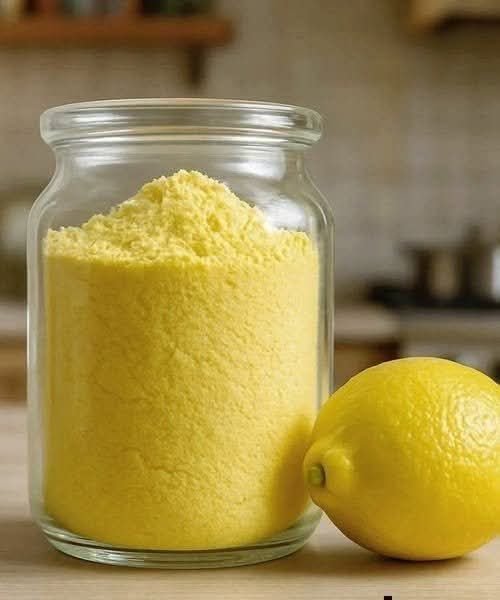
Prep Time: 15 minutes | Dehydrating Time: 8-12 hours | Processing Time: 5 minutes | Total Time: 8-12.5 hours (mostly hands-off)
Skill Level: Easy, but requires patience | Yield: Approximately ½ cup of powder from 4-5 lemons | Cost: $
Intensity: Low physical effort, high reward. A simple process of slicing, drying, and grinding transforms fresh, perishable lemons into a potent, shelf-stable powerhouse of flavor.
Lemon powder is the secret weapon your spice cabinet has been missing. This brilliant, zero-waste technique captures the pure, sunny essence of a lemon—its vibrant tartness, its floral aroma, its hint of bitterness—in a versatile, desiccated form. Forget bland, store-bought alternatives that list “anti-caking agents” before “lemon.” Homemade lemon powder is pure, concentrated citrus magic. It’s the instant burst of brightness in your winter stew when fresh lemons are out of season, the dusting of tang on seared scallops, or the secret ingredient in your lemon poppyseed muffin mix that makes the flavor pop. This guide will walk you through two reliable methods: using a food dehydrator (ideal) and a standard oven (accessible to all).
Ingredients & Equipment
Ingredients:
-
4-5 medium, unwaxed organic lemons (This is critical. If you can only find waxed lemons, scrub them thoroughly under hot water with a brush to remove the coating).
-
Optional: A tiny pinch of citric acid (to boost tartness and shelf life, but not necessary).
Equipment:
-
Mandoline slicer or a very sharp knife
-
Food dehydrator (preferred method) OR a standard oven
-
Baking sheets & parchment paper (for oven method)
-
High-powered blender, spice grinder, or clean coffee grinder
-
Fine-mesh sieve (optional, for super-fine powder)
-
Airtight glass jar for storage
Part 1: Preparation & Slicing
1. Wash & Scrub: Even with organic lemons, wash them thoroughly under warm water to remove any natural debris. Pat completely dry.
2. The Slice: This step is crucial for even drying. Using a mandoline set to 1/8-inch (3mm) thickness is the best way to achieve perfectly uniform slices. If using a knife, take your time to cut them as evenly as possible.
* Pro-Tip: Slice the lemons horizontally (across the equator) to create beautiful round slices that showcase the whole wheel. This isn’t just for aesthetics; consistent size = consistent drying.
* Safety First: Always use the guard on your mandoline. Protect those fingertips!
3. Seed Removal: As you slice, pick out any visible seeds. They can impart a bitter flavor when dried and ground.
Part 2: The Drying Process (Choose Your Method)
The goal is to remove all moisture until the slices are brittle and snap cleanly. They should have no pliability.
Method A: Using a Food Dehydrator (Optimal)
-
Arrange the lemon slices in a single layer on the dehydrator trays, ensuring they are not touching or overlapping.
-
Set the dehydrator to 135°F (57°C). This temperature is high enough to dry efficiently but low enough to preserve the lemon’s volatile oils and bright color.
-
Dehydrate for 8 to 12 hours, checking periodically. Drying time depends on humidity and slice thickness. They are done when crisp and brittle.
Method B: Using a Standard Oven
-
Preheat your oven to its lowest possible setting, ideally 170°F (77°C) or the “Warm” function. If your oven doesn’t go that low, prop the door open slightly with a wooden spoon to allow moisture to escape and prevent cooking/browning.
-
Line baking sheets with parchment paper. Arrange lemon slices in a single layer.
-
Place in the oven and dry for 3-4 hours, flipping the slices halfway through. Check often in the final hour. They are ready when completely crisp and dry to the core.
The Dryness Test: Remove a slice and let it cool for a minute. Try to bend it. It should snap, not flex. If there’s any bend or chewiness, it needs more time. Any residual moisture will ruin your powder during storage, leading to clumping and potential mold.
Part 3: Grinding & Sifting
1. Cool Completely: Let the dehydrated lemon slices cool to room temperature on the trays. Any residual warmth can create steam in the grinder, leading to clumping.
2. Break & Grind: Break the crispy slices into smaller pieces. In small batches, add them to your high-powered blender, clean spice grinder, or coffee grinder. Pulse and grind until you achieve a fine powder. Grind in short bursts to avoid overheating the powder, which can degrade flavor.
3. Sift (For Professional Results): For an ultra-fine, luxurious powder (perfect for dusting desserts or mixing into icings), push the ground powder through a fine-mesh sieve. Any large, gritty bits left in the sieve can be returned to the grinder for another round. This step is optional but recommended.
4. Optional Boost: If you want to enhance the tartness and acting as a natural preservative, you can mix in a tiny pinch (about ⅛ tsp) of food-grade citric acid per ¼ cup of powder. Blend it in thoroughly.
The Last Step: Storing Your Liquid Sunshine
Your lemon powder is now a potent concentrate of flavor. To keep it that way, storage is paramount.
-
Container: Transfer the powder to a completely dry, airtight glass jar. Mason jars are perfect. Avoid plastic, which can hold static and cause clumping, and can also absorb citrus oils.
-
Location: Store the jar in a cool, dark, and dry place—your pantry, not next to the stove. Light, heat, and moisture are the enemies of flavor and shelf life.
-
Shelf Life: Properly stored, your homemade lemon powder will retain peak flavor for 6-12 months. Give the jar a gentle shake occasionally to prevent settling.
Creative Uses: Unleash the Powder
This is where the magic happens. A teaspoon of this powder is worth the juice and zest of at least half a lemon.
-
Instant Seasoning: Sprinkle on roasted vegetables (asparagus, broccoli), grilled fish or chicken, popcorn, or avocado toast.
-
Baking & Mixes: Add to dry ingredients for cakes, cookies, scones, pancake mix, or homemade salad dressing blends. No more worrying about fresh lemon availability!
-
Beverages: Stir into water, iced tea, or cocktails for instant lemon flavor. A pinch in hot water makes a quick, soothing drink.
-
Preserving Color: A light dusting on sliced apples, avocados, or guacamole helps prevent browning.
-
The Ultimate Garnish: A snowy dusting on a lemon tart, cheesecake, or panna cotta is both beautiful and delicious.
The Final Zest: A Note on Alchemy & Patience
Making lemon powder is a quiet, rewarding alchemy. It is an act of preservation that connects us to old, frugal kitchen wisdom while producing a decidedly modern, versatile ingredient. The process teaches patience—there are no shortcuts to true dehydration—and offers a profound lesson in yield: a bowl of bright, juicy fruit reduces to a humble jar of golden dust. But in that dust is locked the very soul of a sun-ripened lemon, ready to be unleashed with a simple twist of a lid. It transforms the ephemeral into the enduring, ensuring that the taste of summer is never more than a spoonful away.
Nutrition Information (Per 1 Teaspoon)
Serving Size: 1 tsp (approx. 2g) | Calories: ~5 | Total Fat: 0g | Sodium: 0mg | Total Carbohydrates: 2g | Dietary Fiber: 1g | Total Sugars: 0g | Protein: 0g | Vitamin C: ~2% DV | Potassium: ~15mg