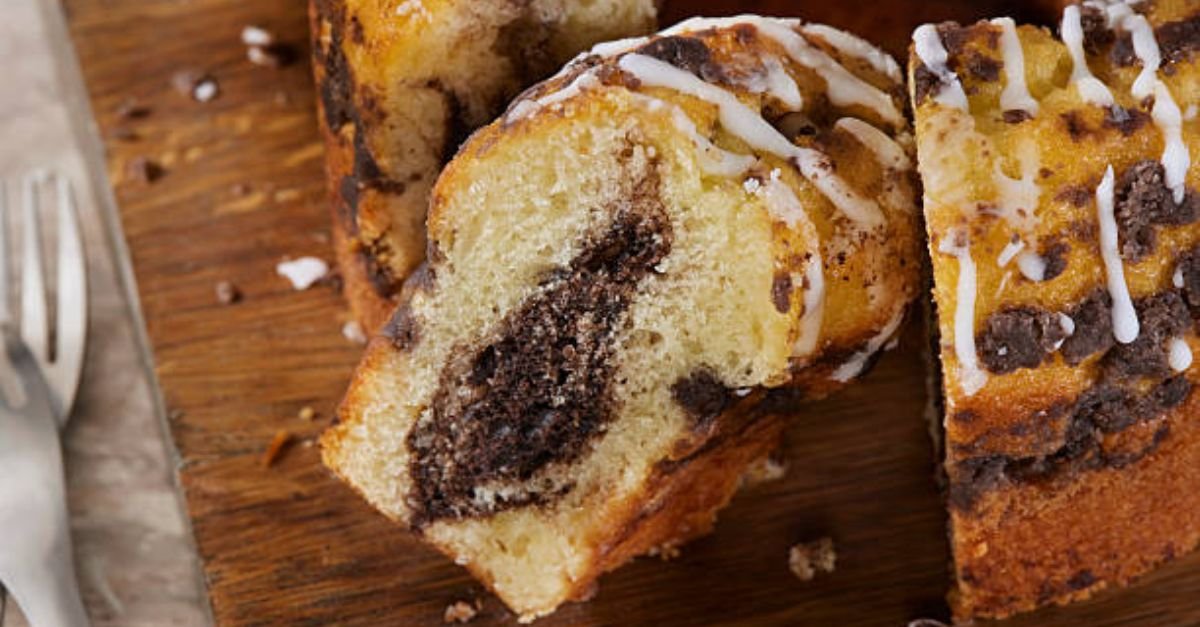
| Prep | 15 mins | 🟢 | Just mixing; no stand mixer needed. |
| Swirl Prep | 5 mins | 🟢 | Melting butter and mixing cinnamon. |
| Bake | 35-40 mins | 🟢 | Oven does the work. |
| Cool | 20 mins | 🟢 | Crucial for texture—don’t skip! |
| Glaze | 5 mins | 🟢 | Drizzle and slice. |
🛒 Ingredient Deep Dive
Why these ingredients work.
The Dry Base:
-
2 cups Super Fine Almond Flour – Not coarse almond meal. The fine texture mimics white flour, preventing grittiness.
-
1/3 cup Coconut Flour – Highly absorbent; balances moisture so the bread isn’t soggy.
-
1/2 cup Granular Swerve (or Lakanto) – An erythritol-based sweetener that measures like sugar. It adds bulk and sweetness without carbs.
-
1 tbsp Baking Powder – Leavening. Ensure it is fresh.
-
1/2 tsp Xanthan Gum – Optional but recommended. This binds the gluten-free flours together for a chewier, bread-like texture.
-
1/2 tsp Salt – Balances sweetness.
The Wet Base:
-
4 large Eggs – Room temperature. Provides structure.
-
1/2 cup Unsalted Butter, melted – Fat is flavor.
-
1/3 cup Unsweetened Almond Milk – Any milk works, but keep it unsweetened.
-
2 tsp Vanilla Extract – Enhances the “bakery” aroma.
The Cinnamon Swirl:
-
1/4 cup Unsalted Butter, softened – Not melted; we want it spreadable.
-
1/3 cup Golden Sweetener – Golden monk fruit or brown Swerve has a caramel note.
-
1.5 tbsp Ground Cinnamon – Be generous.
-
Pinch of Nutmeg – The secret ingredient.
The Cream Cheese Glaze:
-
2 oz Cream Cheese, softened
-
2 tbsp Butter, softened
-
1/3 cup Powdered Swerve
-
1/2 tsp Vanilla
-
1-2 tbsp Heavy Cream (to thin)
🥣 Instructions: The Method
Phase 1: Setup
-
Preheat your oven to 350°F (175°C).
-
Grease a 9×5 loaf pan generously with butter or coconut oil.
-
Line the pan with parchment paper, leaving a “sling” over the long sides. This is the insurance policy that guarantees your loaf comes out in one piece.
Phase 2: The Batter (Intensity: 🟢)
-
In a large bowl, whisk together the almond flour, coconut flour, granular sweetener, baking powder, xanthan gum, and salt. Break up any clumps of coconut flour.
-
In a medium bowl, whisk the eggs vigorously for 30 seconds. Add the melted butter, almond milk, and vanilla. Whisk until combined.
-
Pour the wet ingredients into the dry ingredients. Stir with a rubber spatula until just combined. Do not overmix. The batter will be thicker than traditional cake batter—it should look like a stiff muffin batter.
Phase 3: The Cinnamon Swirl (Intensity: 🟢)
-
In a small bowl, mash the softened butter with a fork. Add the golden sweetener, cinnamon, and nutmeg. Mix until it forms a thick, sandy paste.
Phase 4: Assembly (The Layering Technique)
-
Layer 1: Spread half of the batter into the prepared loaf pan. Use an offset spatula to push it evenly into the corners. It will be thick; do your best to create a flat layer.
-
Layer 2: Drop half of the cinnamon butter paste in small spoonfuls over the batter. Use a butter knife to gently swirl it into the top quarter-inch of the batter. Don’t drag it to the bottom; we want ribbons, not full mixing.
-
Layer 3: Carefully spread the remaining batter over the top. It helps to drop it in dollops and gently spread.
-
Layer 4: Dollop the remaining cinnamon butter on top. Take a skewer or knife and make figure-8 patterns through the batter to create the classic marble swirl.
Phase 5: Bake
-
Place the pan on the center rack. Bake for 35-40 minutes.
-
Test for doneness: At 35 minutes, insert a long toothpick into the center. If it comes out clean (or with a few moist crumbs, but no wet batter), it’s done. Almond flour browns quickly; if the top is getting too dark at 30 minutes, tent loosely with aluminum foil.
Phase 6: The “Last of the Recipe” (The Critical Rest)
Here is where 90% of keto bakers fail, and where you will succeed.
Do NOT slice the bread yet.
-
Remove the pan from the oven and place it on a wire rack.
-
Let the bread cool in the pan for 20 minutes. Keto baked goods are incredibly fragile when hot because the fats are liquefied and the structure hasn’t set. Touching it now will cause it to crumble.
-
After 20 minutes, grasp the parchment sling and lift the loaf out of the pan.
-
Let the loaf cool completely on the wire rack. This is non-negotiable. If you apply the cream cheese glaze to a warm loaf, it will melt into a puddle and absorb into the bread. Wait until the bottom of the pan feels room temperature.
Phase 7: The Glaze
-
While the loaf cools, beat the cream cheese and butter together until fluffy.
-
Beat in the powdered sweetener and vanilla.
-
Add heavy cream 1 teaspoon at a time until you reach a thick, drizzly consistency.
-
The Final Step: Once the loaf is 100% cool, pour the glaze over the top, letting it drip seductively down the sides.
🥄 Storage & Meal Prep
-
Fridge: Store in an airtight container for up to 5 days.
-
Freezer: Slice the bread, wrap individually in plastic wrap, and freeze for up to 3 months. Toast directly from frozen.
-
Pro Tip: This bread is excellent toasted. The heat caramelizes the sweetener on the crust and softens the interior.
📊 Nutrition Information
Serving Size: 1 Slice (based on 12 slices per loaf)
| Nutrient | Amount |
|---|---|
| Calories | 245 kcal |
| Fat | 22.5g |
| Carbohydrates | 7g |
| Fiber | 3.5g |
| Sugar Alcohols | 8g |
| Net Carbs | 3.5g |
| Protein | 7g |
(Nutrition calculated using almond flour, Swerve, butter, and eggs. Values may vary slightly based on specific brand substitutions.)
👨🍳 Baker’s Notes & Troubleshooting
My bread sunk in the middle.
-
Cause: Underbaking or too much moisture.
-
Fix: Ensure you measure coconut flour correctly (spoon and level, never scoop). Coconut flour is highly absorbent; too little flour causes density, too much causes sinking.
The swirl disappeared!
-
Cause: You overmixed the swirl into the batter.
-
Fix: Next time, keep the swirl paste cold. Cold butter paste holds its shape better in the hot oven.
Can I use just almond flour?
-
You need the coconut flour to absorb the eggs. Without it, the bread will be mushy. If you are allergic, try sunflower seed flour, but note it will turn greenish from the baking powder (it’s safe, just ugly).
❄️ Why This Recipe Works (The Science)
Traditional cinnamon rolls rely on gluten for elasticity and sugar for tenderness. Here, we use eggs for structure and fats for moisture. The combination of almond and coconut flour creates a crumb that is dense enough to feel substantial, but tender enough to melt in your mouth.
The use of xanthan gum mimics the stretch of gluten, preventing the bread from being “sandy.” By baking this as a loaf rather than individual rolls, we eliminate the risk of dry edges and raw centers—every slice is perfect.