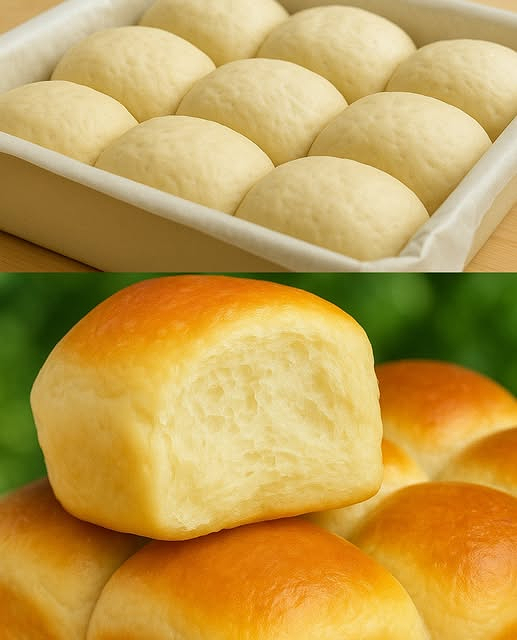
Yield: 12 Rolls | Prep Time: 2 hours 15 minutes (including rising) | Bake Time: 20-25 minutes | Total Time: 2 hours 40 minutes
Skill Level: Beginner to Intermediate (Requires patience with yeast) | Intensity: Medium (Active hands-on time is low, but process is spread out)
Description: There is no aroma more welcoming than that of freshly baked, buttery yeast rolls. Soft, feathery-light, and rich with the flavor of butter and a hint of sweetness, these classic rolls are the ultimate comfort food. They pull apart in tender layers and are perfect for sopping up gravy, making a mini sandwich, or simply enjoying warm from the oven. This recipe guides you through the simple, rewarding process of yeast baking, resulting in a show-stopping side for any meal.
Ingredients
-
1 cup (240ml) whole milk, warmed to about 110°F (43°C)
-
1/4 cup (50g) granulated sugar
-
2 1/4 teaspoons (1 packet / 7g) active dry yeast
-
3 1/2 cups (438g) all-purpose flour, divided, plus more for dusting
-
1 large egg, at room temperature
-
6 tablespoons (85g) unsalted butter, melted and cooled slightly, divided
-
1 1/2 teaspoons fine sea salt
-
For Finishing: 2 tablespoons melted butter for brushing, and flaky sea salt (optional)
Instructions
Part 1: Activate the Yeast & Make the Dough (15 minutes)
-
Warm the Milk: In a small saucepan or microwave-safe bowl, gently warm the milk until it feels like warm bath water (110°F/43°C). Avoid getting it too hot, as this can kill the yeast.
-
Bloom the Yeast: Pour the warm milk into the bowl of a stand mixer. Stir in the sugar until dissolved. Sprinkle the yeast evenly over the surface. Let it sit for 5-7 minutes. It should become frothy and creamy, indicating the yeast is active.
-
Combine Wet Ingredients: To the yeast mixture, add 3 cups (375g) of the flour, the egg, 4 tablespoons of the melted butter, and the salt.
Part 2: Knead & First Rise (1 hour)
-
Knead the Dough: Using the dough hook attachment on low speed, mix until a shaggy dough forms. Increase speed to medium and knead for 5-7 minutes. The dough should start to pull away from the sides of the bowl but remain slightly sticky. Add the remaining 1/2 cup of flour, a tablespoon at a time, only if the dough is excessively wet.
-
First Proof: Lightly grease a large bowl with oil or butter. Shape the dough into a ball and place it in the bowl, turning to coat. Cover the bowl tightly with plastic wrap or a damp kitchen towel.
-
Let it Rise: Place the bowl in a warm, draft-free spot. Let the dough rise until doubled in size, about 1 hour. To test, gently press a finger into the dough; the indentation should remain.
Part 3: Shape & Second Rise (45 minutes)
-
Punch & Divide: Gently punch down the risen dough to release air. Turn it out onto a lightly floured surface. Using a bench scraper or sharp knife, divide the dough into 12 equal pieces (roughly 2.5 oz / 70g each).
-
Shape the Rolls: Roll each piece into a smooth, tight ball by cupping your hand around it and rotating it on the counter. This creates surface tension for a smooth top.
-
Prepare Pan: Grease a 9×13-inch baking dish or a large round cake pan with 1 tablespoon of the remaining melted butter.
-
Arrange & Proof Again: Place the dough balls in the prepared pan, arranging them so they are just touching. Brush the tops lightly with the last tablespoon of melted butter. Cover the pan again and let the rolls rise until puffy and nearly doubled, about 45 minutes. They should be touching each other.
Part 4: Bake & Serve (25 minutes)
-
Preheat & Bake: While the rolls proof, preheat your oven to 375°F (190°C). Once risen, bake the rolls on the center rack for 20-25 minutes, or until they are a deep, golden brown on top and sound hollow when tapped.
-
The Final Butter Bath: Immediately upon removing the pan from the oven, brush the hot rolls generously with the 2 tablespoons of melted butter. Sprinkle with a pinch of flaky sea salt if desired.
-
Cool & Serve: Let the rolls cool in the pan for 5 minutes, then transfer to a wire rack or serve warm directly from the pan. They are best enjoyed the day they are made.
Chef’s Notes & Tips for Success
-
Yeast is Alive: Ensure your milk is the correct temperature. Too cold and it won’t activate; too hot and it will die.
-
Warm Rising Spot: If your kitchen is cool, create a warm spot by placing the bowl of dough in an oven with only the light on, or on top of a preheating dryer.
-
Make-Ahead: After shaping the rolls in the pan, cover tightly and refrigerate overnight. The next day, let them sit at room temperature for 1 hour before baking as directed.
-
Reheating: Refresh day-old rolls by wrapping them in foil and warming in a 350°F (175°C) oven for 10 minutes, or microwaving for 10-15 seconds.
Nutritional Information (Per Roll)
-
Calories: 215 kcal
-
Total Fat: 9g (12% DV)
-
Saturated Fat: 5.5g (28% DV)
-
-
Cholesterol: 35mg (12% DV)
-
Sodium: 310mg (13% DV)
-
Total Carbohydrates: 29g (11% DV)
-
Dietary Fiber: 1g (4% DV)
-
Sugars: 5g
-
-
Protein: 5g
-
Vitamin D: 1% | Calcium: 3% | Iron: 8% | Potassium: 2%
Percent Daily Values (DV) are based on a 2,000 calorie diet. These are estimates and can vary based on specific ingredients used.
Last Bite: These Buttery Yeast Rolls are more than just a recipe; they’re a labor of love that fills your home with an irresistible aroma and your table with pure joy. The time invested in the rise is returned tenfold in the form of fluffy, tender, golden perfection. Don’t be surprised if they become a non-negotiable part of your holiday spreads and Sunday dinners. Happy baking