-
Prep Time: 2 minutes
-
Cook Time: 6-8 minutes
-
Total Time: < 10 minutes
-
Cooking Intensity: Low – Requires gentle attention but minimal effort.
-
Servings: 1
-
Course: Breakfast, Brunch
-
Dietary: Gluten-Free, Keto-Friendly, Vegetarian
Ingredients
-
2-3 large, fresh eggs
-
1 tablespoon (15ml) whole milk, half-and-half, or cream (for extra richness)
-
1 tablespoon (14g) unsalted butter, divided
-
Salt and freshly ground black pepper to taste
-
Optional Garnishes: Freshly chopped chives, a sprinkle of grated sharp cheddar, a dollop of crème fraîche.
Equipment
-
Small mixing bowl
-
Whisk or fork
-
Non-stick skillet (8-inch is ideal)
-
Rubber spatula or wooden spoon
-
Serving plate
Step-by-Step Instructions
Step 1: Gentle Preparation (2 minutes)
Crack the eggs into your mixing bowl. Add the milk or cream, and a small pinch of salt. Whisk vigorously until the mixture is completely homogenous and you see a uniform pale yellow color with a slight froth on top. This aeration is your first secret to fluffiness. Do not add pepper yet, as it can discolor the eggs.
Step 2: The Low & Slow Cook (6-8 minutes)
-
Heat the Pan: Place your non-stick skillet over low to medium-low heat. Add half of the butter. Allow it to melt and coat the pan, but do not let it brown or sizzle aggressively. The pan should be warm, not hot.
-
Pour & Curdle: Pour in the egg mixture. It should settle quietly, not instantly sizzle. Let it sit undisturbed for about 20-30 seconds until the very edges just begin to set.
-
The Fold: Using your spatula, push the set edges gently toward the center. Tilt the pan to let the uncooked egg flow into the empty space. Repeat this folding and tilting process every 20-30 seconds. You are forming large, soft curds.
-
The Final Butter: When the eggs are about 75% set—still quite wet and shiny on top—add the remaining butter. The residual heat and gentle folding will melt it into the curds, creating an incredible, velvety texture.
-
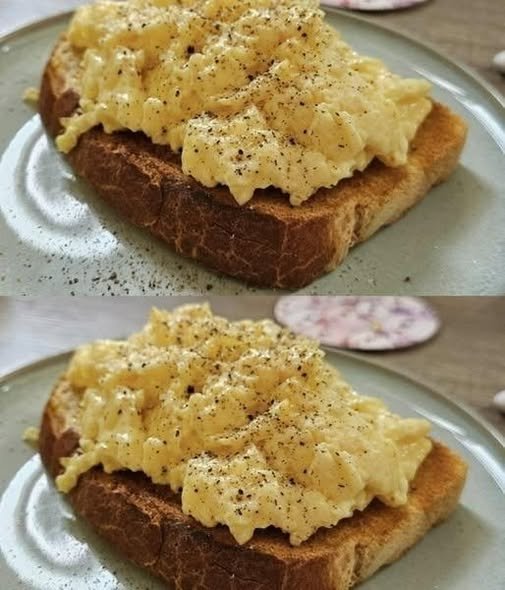
Perfect Finish: Remove the pan from the heat just before the eggs look fully done to your liking. They will continue to cook from residual heat. The final texture should be soft, moist, and slightly runny—they will firm up on the plate.
Step 3: Serve Immediately
Transfer the scrambled eggs immediately to a warm plate. Grind fresh black pepper over the top and garnish with your chosen herbs or cheese. Serve with buttered toast, avocado, or smoked salmon.
Chef’s Notes & Variations
-
The Secret is Patience: High heat is the enemy of tender scrambled eggs. Low heat and gentle, patient stirring are non-negotiable.
-
Creamier Dreamier: For an ultra-decadent version, substitute the milk for a full tablespoon of sour cream or crème fraîche.
-
Dairy-Free: Simply omit the milk. The eggs will still be delicious, though slightly less rich.
-
Flavor Boosters: Stir in a tablespoon of finely grated Parmesan with the final butter. Or, add a tiny pinch of smoked paprika or cayenne to the egg mixture.
-
“Clean the Kitchen” Scramble: This is the perfect vehicle for leftovers. Finely chop and gently sauté any veggies (spinach, mushrooms, bell peppers) or diced ham in the butter before adding the eggs.
Nutritional Information (Per serving, made with 2 large eggs, 1 tbsp whole milk, 1 tbsp butter)
-
Calories: ~ 280 kcal
-
Total Fat: 23g
-
Saturated Fat: 11g
-
Cholesterol: 400mg
-
Sodium: 220mg (will vary with added salt)
-
Total Carbohydrates: 2g
-
Sugars: 1g
-
Protein: 14g
-
Key Vitamins/Minerals: Excellent source of Vitamin A (20% DV), Riboflavin (30% DV), Vitamin B12 (45% DV), Selenium (45% DV), and Choline.
Note: Nutritional values are estimates based on database calculations and may vary depending on specific ingredients used. Adding cheese or cooking with oil will alter the values.
The Last Word on Perfect Scrambled Eggs
This recipe proves that culinary greatness often lies not in complexity, but in perfecting the fundamentals. It’s a lesson in texture, timing, and the transformative power of gentle heat. In under ten minutes, with ingredients you likely already have, you can create a breakfast that feels both comforting and luxurious. It’s a timeless technique that, once mastered, becomes a lifelong kitchen staple. So, tomorrow morning, take the extra few minutes. Be patient, stir gently, and taste the remarkable difference.
Save this recipe, share it with a friend, and never settle for subpar scrambled eggs again.